WORKFORCE HOUSING FOR SALE
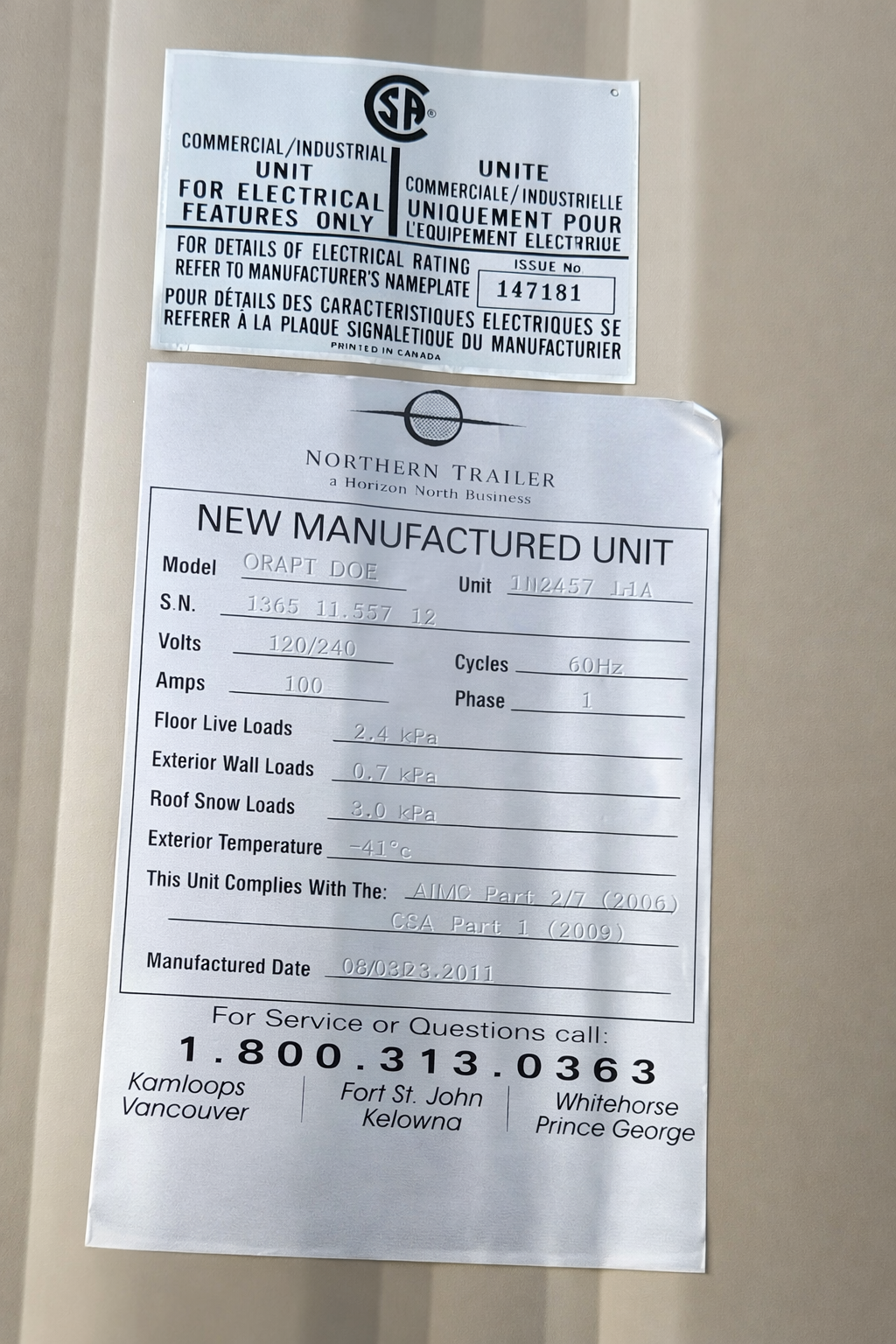
5 BED / 5 BATH • $10,000 EACH • CSA APPROVED
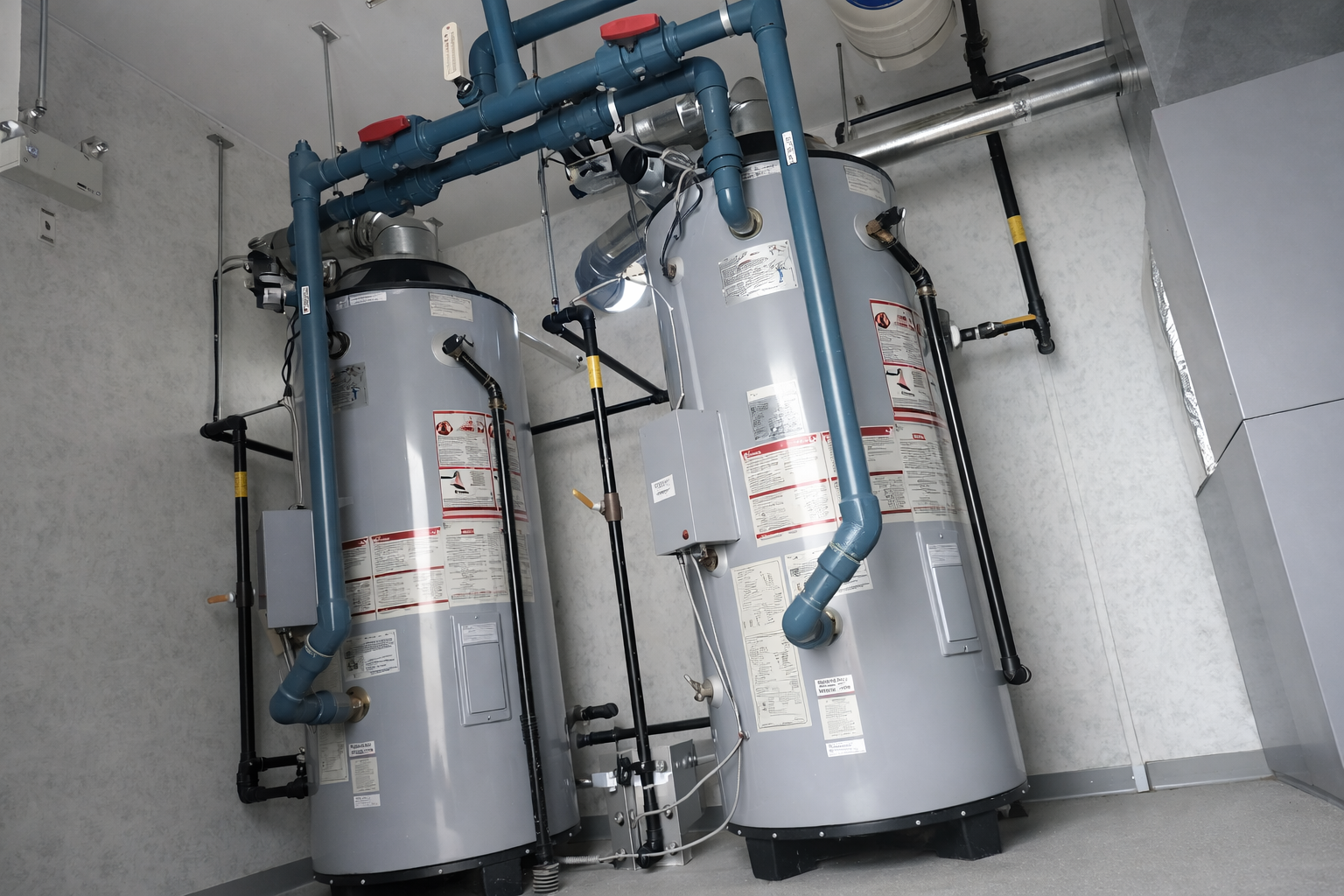
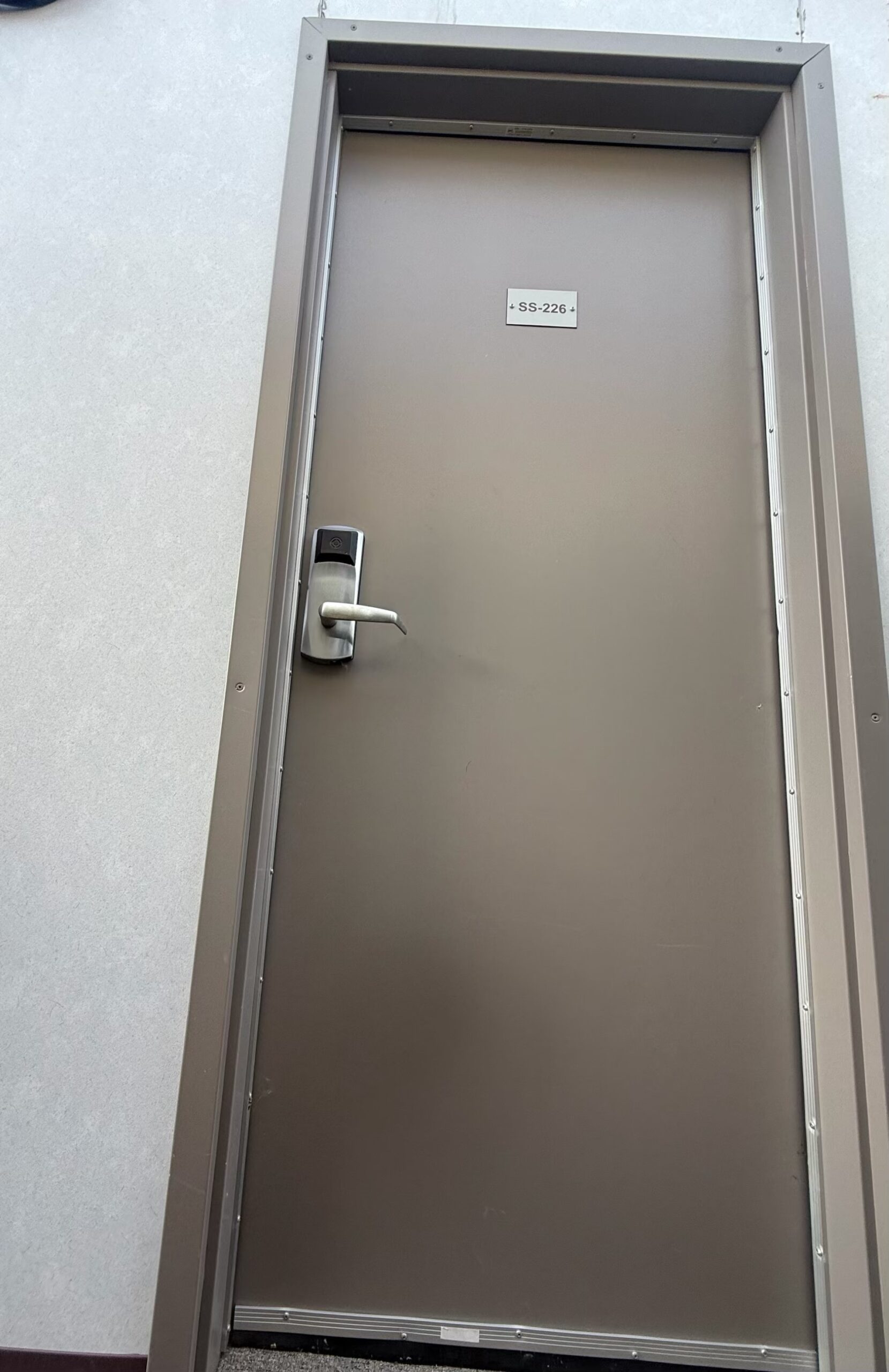
These are factory-built units built for workforce accommodation. Stored near Edmonton. Inspection-first discussions only. Availability is limited by inventory and logistics.
This page is written for buyers who need controlled inventory they can deploy, redeploy, and manage under real project conditions. If you are responsible for crews, timelines, risk, and site logistics, the goal is simple: get to a defensible purchase decision with fewer surprises.
Not residential. Not consumer rentals. Not personal living units. Industrial and project-driven buyers only.
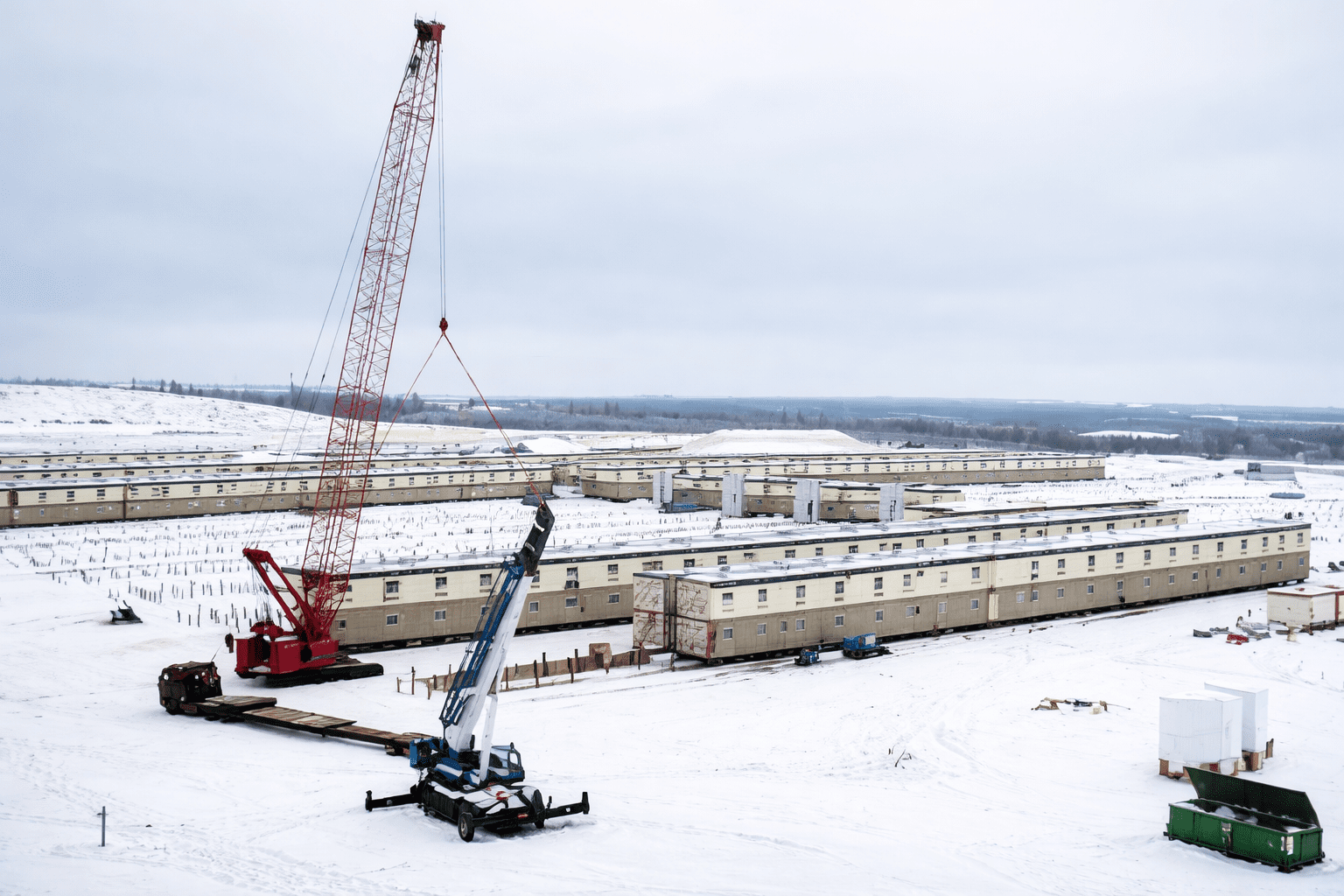
Inventory Snapshot
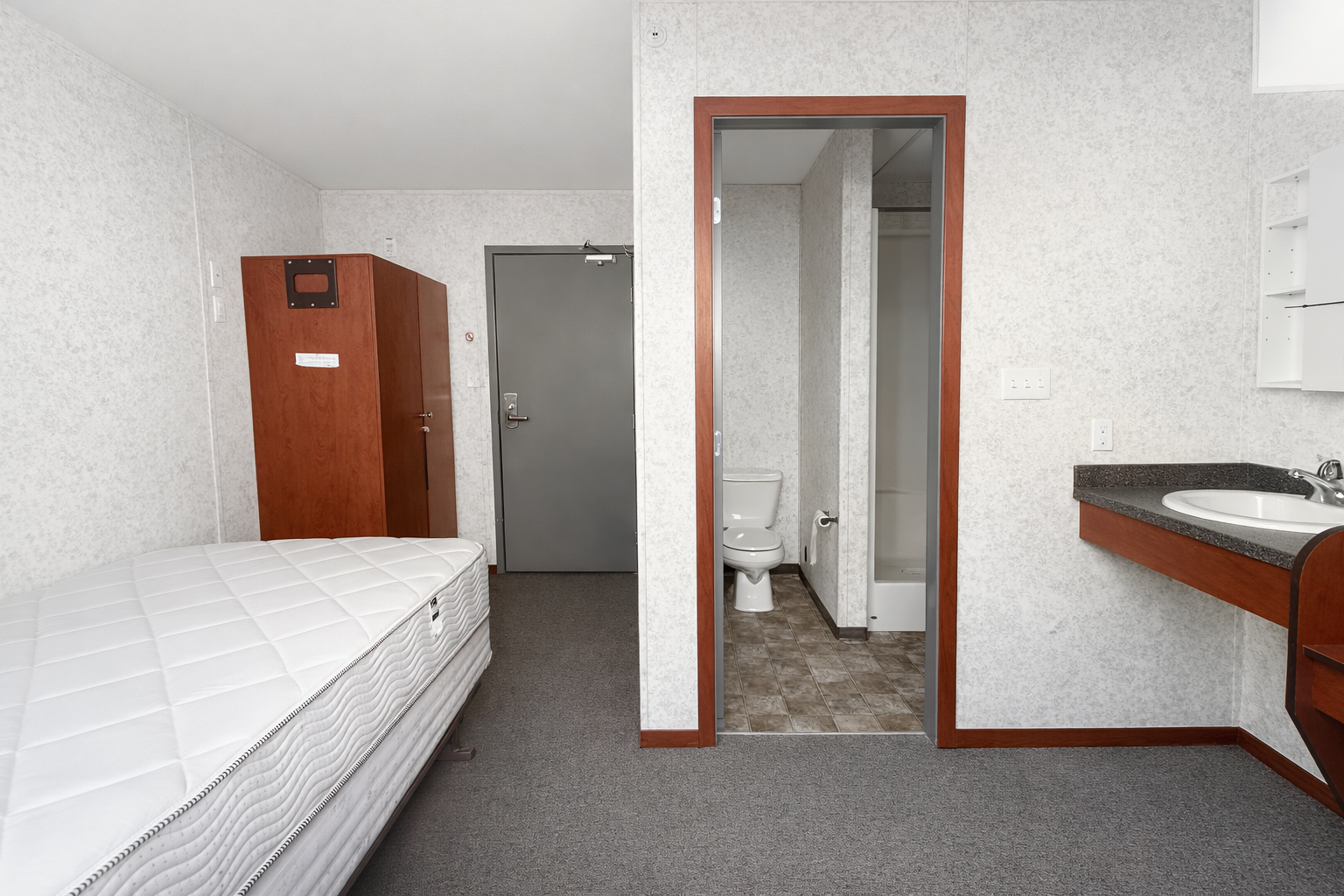
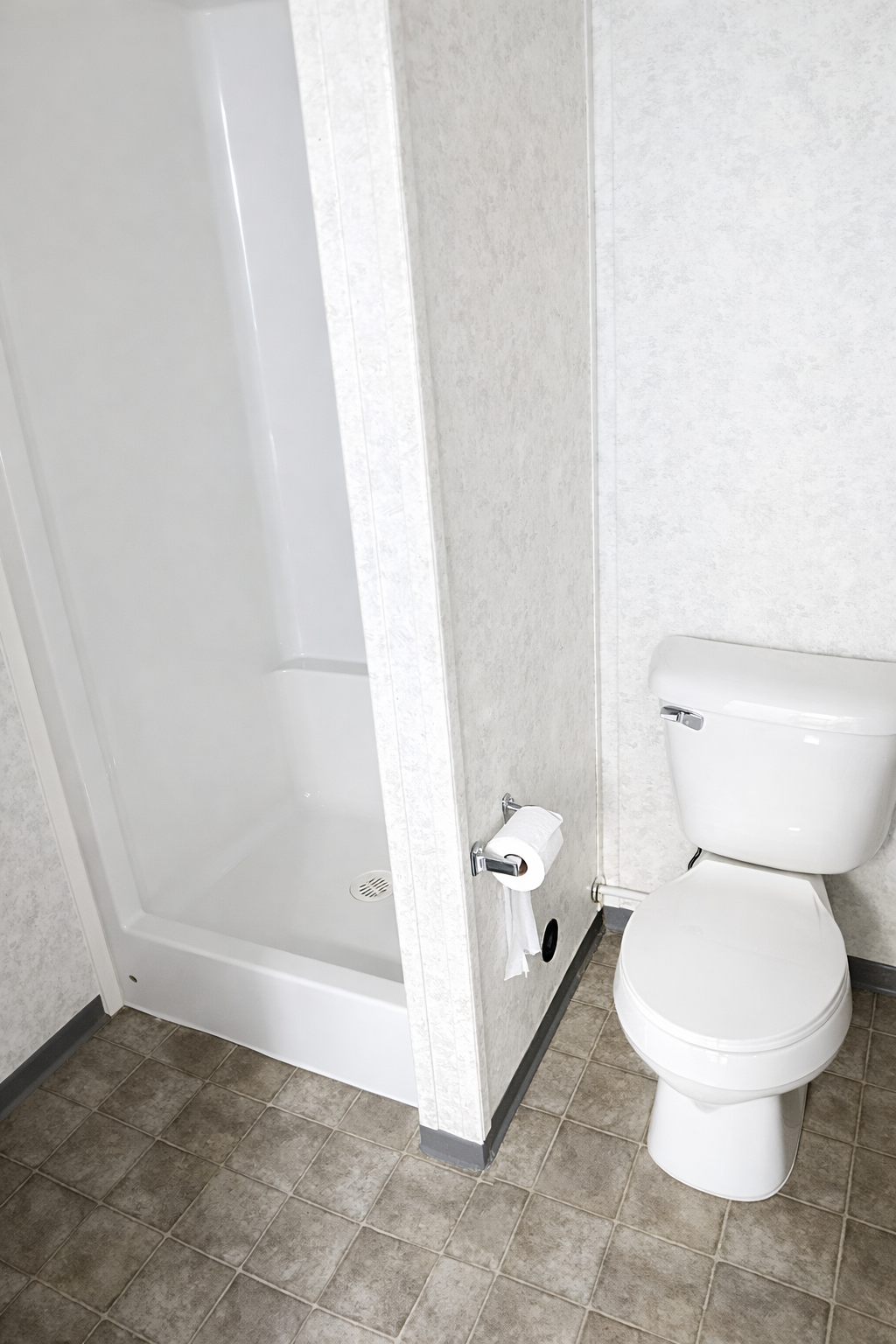
5 bed / 5 bath units
$10,000 each
CSA approved
BUILT FOR OPERATORS, NOT CONSUMERS
Buyers in this category are not looking for “nice.” They are looking for predictable deployment, manageable maintenance, and clear logistics.
- Energy, mining, and infrastructure projects
- Construction firms managing rotating crews
- Industrial maintenance and shutdown planning
- Government or municipal contingency housing
- Camp operators expanding or replacing inventory
- Organizations building redeployable housing capacity
This is not for apartments, family housing, student housing, vacation rentals, or personal use. Residential inquiries are not a fit for this page.
What “asset intent” means in practice
The buyer is accountable after the purchase. That means inspection facts matter more than general descriptions, and transport realities matter more than ideal timelines.
If the receiving site is remote, or the project schedule is tight, the real cost is almost always the gap between “available” and “deployable.”
HOW THE PURCHASE GETS FORCED
This category is rarely driven by preference. It is driven by operational pressure and the need to control the outcome.
CORE NEED EXISTS
Crews are scheduled. Headcount is committed. The project needs stable accommodation capacity.
OPERATIONAL GAP APPEARS
Rental supply shifts, delivery windows slip, or the available units don’t match site requirements.
BUSINESS CONSEQUENCES LAND
Mobilization slows, productivity drops, and schedule certainty starts leaking into contract performance.
DECISION BECOMES UNAVOIDABLE
Ownership becomes the clean path: controlled inventory, standardized units, and fewer moving parts.
What changes when you own the inventory
Standardization improves maintenance planning, occupancy control, and redeployment speed. The tradeoff is simple: the buyer must get disciplined about inspection scope and logistics assumptions up front.
WHAT BUYERS MISREAD EARLY
Most problems are not caused by the unit. They are caused by assumptions made before the unit ever moves.
Condition isn’t a label
“Used” is not a specification. Buyers need inspection clarity on envelope, HVAC, electrical, plumbing, doors/windows, and high-wear interiors.
Transport is part of the asset
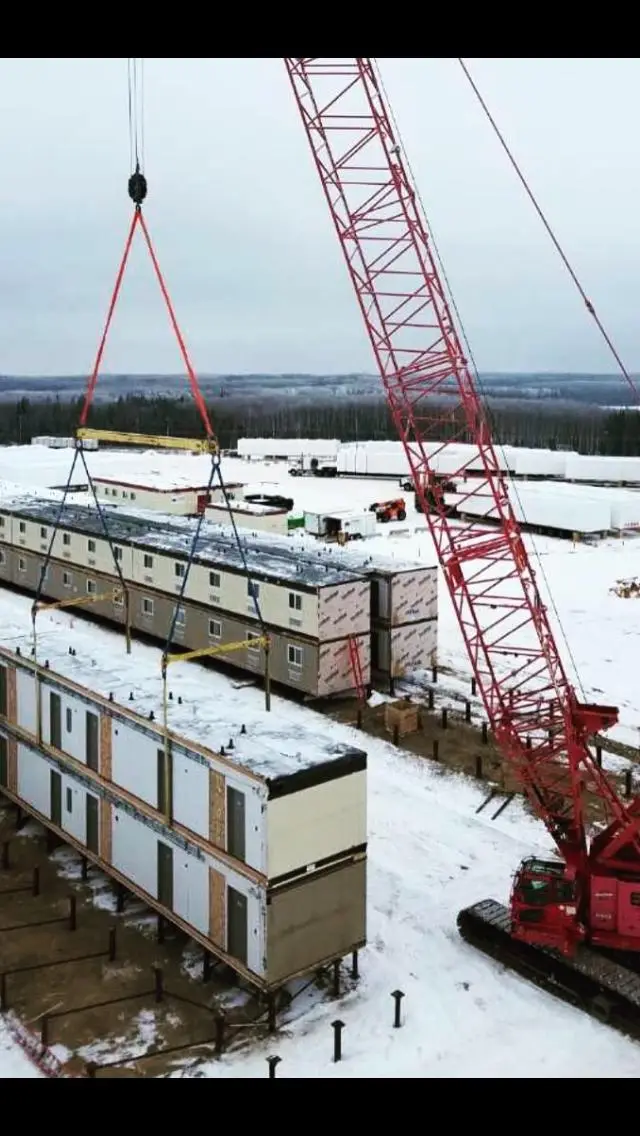
Staging, loading, routing, escort requirements, and receiving conditions decide the real schedule. If access is tight, that has to be planned, not hoped.
Site readiness is the bottleneck
Pads, tie-ins, placement windows, and site rules often control deployment timing more than inventory availability.
Mixed unit types create drag
A patchwork fleet increases parts complexity, repair variance, and occupancy management overhead. Standardization is operational leverage.
Compliance clarity matters
Industrial deployment comes with different expectations than consumer housing. Compliance markings and documentation should be verified during the review process.
Waiting increases cost
When the timeline slips, the cost shows up as downtime, rework, and rushed logistics. If the decision is coming anyway, clarity early is cheaper.
REQUEST ASSET DETAILS
This form is designed to qualify industrial buyers and collect the information needed for a useful reply.
The fastest path to a clean decision is a clear scope: what you need, where it’s going, and what the receiving conditions look like. If you have multiple sites or a phased plan, include that. It changes the logistics plan.
AREAS WE SERVE
Western Canada focus with routing based on practical transport and receiving conditions.
For deployment planning (not purchasing), start at the workforce housing overview page.
ASSET PURCHASE FAQ
These are the questions serious buyers ask before committing to inventory.
No. This page is designed for industrial and project-driven buyers acquiring deployable units as operational assets. Residential and consumer use inquiries are not handled here.
Receiving location, timeline, and intended use. If the site has tight access, weight limits, seasonal road constraints, or strict receiving windows, include that. It changes the logistics plan.
Yes. Inspection-first discussions are the default. Buyers should expect direct review of condition realities, not generic descriptions.
Transport is planned around staging, loading, routing, and receiving conditions. The right approach depends on the destination and the site’s receiving constraints.
Use the cost modeling page: modular homes cost in Alberta. That page is built for budgeting and planning, not availability discussions.
Yes. If you are specifically buying camp-style inventory, see: workforce camp assets.