Heavy Equipment Scrap Removal Edmonton
Decommissioned Machinery Disposal for Commercial Operations
Dead equipment sitting in your yard is a liability waiting to become your problem. Leaking fluids, safety hazards, insurance questions, and space that could be productive. We remove decommissioned loaders, excavators, dozers, and other machinery that has reached end-of-life.
This is heavy equipment scrap removal Edmonton operations rely on when machines need to leave the site permanently. Lowbed transport, winch capability for non-runners, and the logistics to move units measured in tonnes.
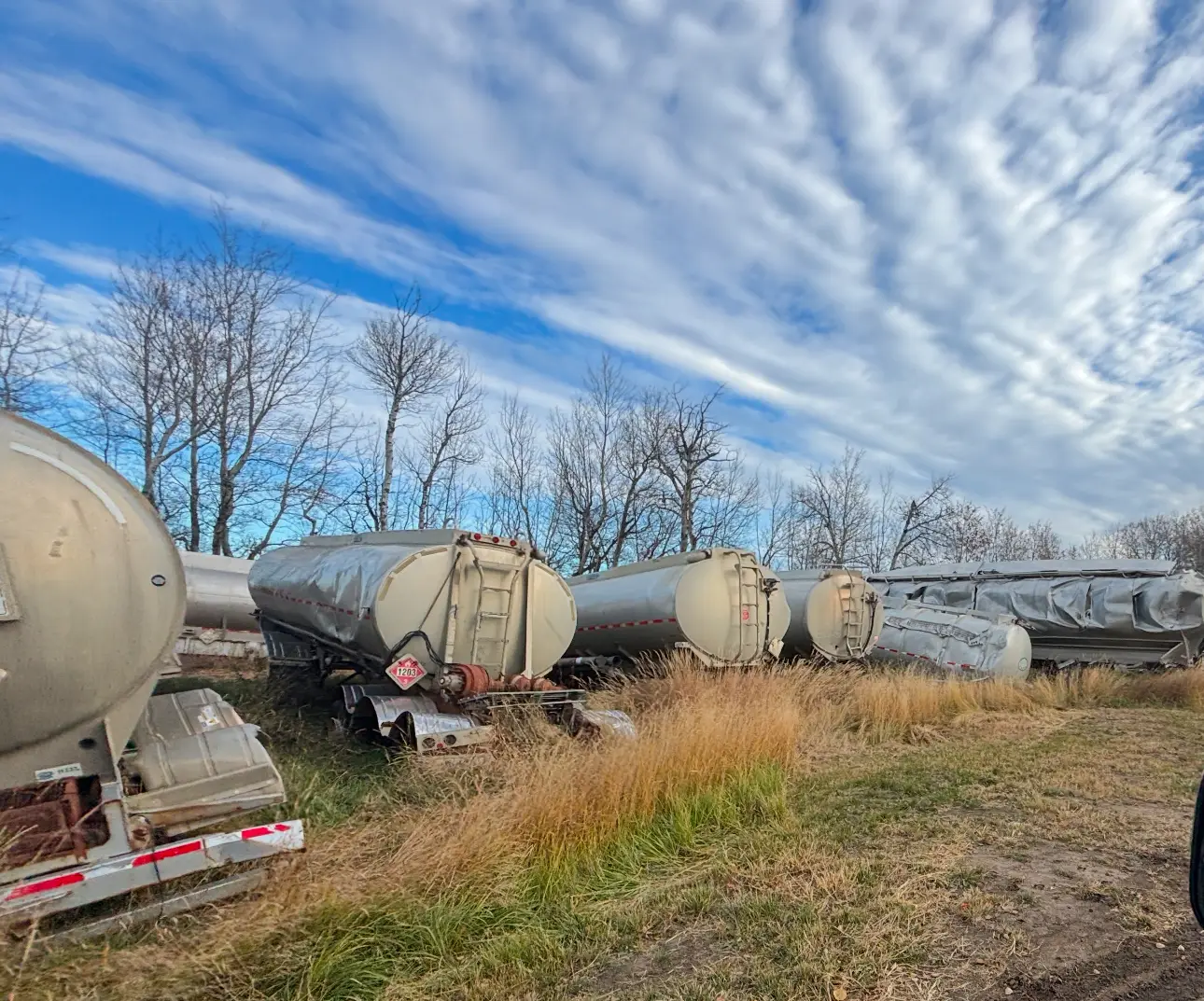
Equipment Focus
End-of-Life Machinery
On-Site Removal
BUILT FOR OPERATIONS MANAGERS
You have equipment that’s been written off, failed beyond repair value, or simply aged out of service. It’s taking up yard space, creating liability exposure, and becoming harder to justify to anyone who asks why it’s still there. This service exists to remove that problem completely.
- Construction and earthmoving contractors
- Fleet operators retiring decommissioned units
- Industrial facilities with abandoned machinery
- Agricultural operations with end-of-life implements
- Equipment dealers clearing unsellable trade-ins
- Property managers handling inherited equipment
Not for lawn tractors, ATVs, garden equipment, or residential machinery disposal.
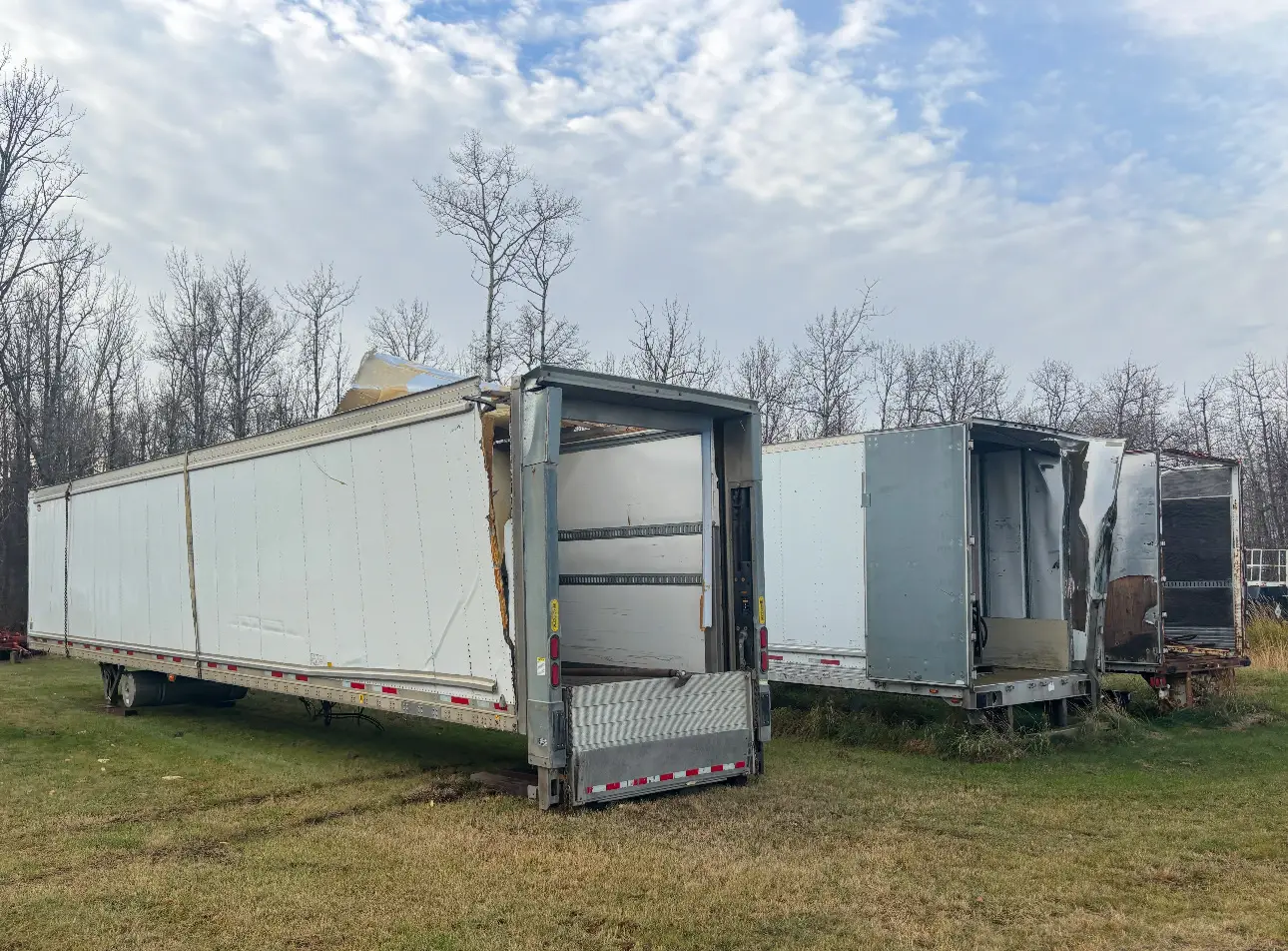
EQUIPMENT TYPES WE HANDLE
Machinery that has reached end-of-service and requires specialized transport for removal.
LOADERS
Wheel loaders, track loaders, and compact loaders that no longer run or have exceeded economical repair value.
EXCAVATORS
Mini excavators through full-size track hoes with engine failures, hydraulic damage, or structural issues beyond repair.
SKID STEERS
Skid steer loaders and compact track loaders retired due to age, damage, fire, or fleet obsolescence.
DOZERS & GRADERS
Bulldozers and motor graders decommissioned from active fleet use with no resale path remaining.
FARM MACHINERY
Tractors, combines, swathers, and implements no longer in service or beyond economical repair threshold.
ATTACHMENTS
Buckets, forks, grapples, augers, and hydraulic attachments removed from scrapped host machines.
WHEN OPERATORS CALL US
Situations where equipment removal becomes necessary and justifiable.
CATASTROPHIC FAILURE
Engine seizure, transmission failure, or structural damage where repair costs exceed machine value. Unit is dead where it sits and needs to leave.
FLEET RETIREMENT
Systematic replacement of aging equipment where older units have no resale value and need to be cleared from the yard to free up space.
YARD CONSOLIDATION
Accumulated machines from years of operations that have been stripped for parts and now need complete removal for yard organization.
SITE CLOSURE
Business wind-down, lease termination, or property sale requiring all equipment removed regardless of condition or operability.
INSURANCE WRITE-OFF
Fire, flood, rollover, or accident damage where the insurer has totaled the machine and it requires disposal documentation.
COMPLIANCE PRESSURE
Landlord requirements, municipal notices, environmental orders, or lease deadlines forcing rapid equipment clearance from the property.
HOW EQUIPMENT REMOVAL WORKS
Coordinated approach for machinery that requires specialized transport and rigging.
DESCRIBE EQUIPMENT
Provide make, model, condition, and location. Note whether the machine runs, tracks, or is completely immobile. Photos help significantly with planning.
LOGISTICS CONFIRMED
We assess transport requirements: trailer type, loading method, access route, and any winch or rigging needs for non-mobile units. You’ll know the plan before we schedule.
PICKUP SCHEDULED
Once scope is agreed, we coordinate timing around your operation. Multi-unit removals can be staged across days if site logistics require it.
EQUIPMENT REMOVED
Our crew arrives with appropriate transport. Machine is loaded and hauled. Site is left clear of the unit and any associated debris.
TO QUOTE & SCHEDULE
Information that helps us plan equipment removal accurately and avoid surprises on pickup day.
EQUIPMENT DETAILS
Make, model, year, and approximate weight or size class of the machine being removed.
OPERATIONAL STATUS
Does it run? Does it track or roll? Is it completely dead and immobile? This determines loading approach.
SITE LOCATION
Address or coordinates, particularly important for rural, industrial, or remote equipment yards.
ACCESS CONDITIONS
Gate width, ground conditions, overhead clearance, and loading area availability for lowbed access.
PHOTOS
Images of the equipment and the access route help us plan transport and avoid day-of surprises.
TIMELINE
Urgency level, lease deadlines, compliance dates, or site closure timing affecting scheduling priority.
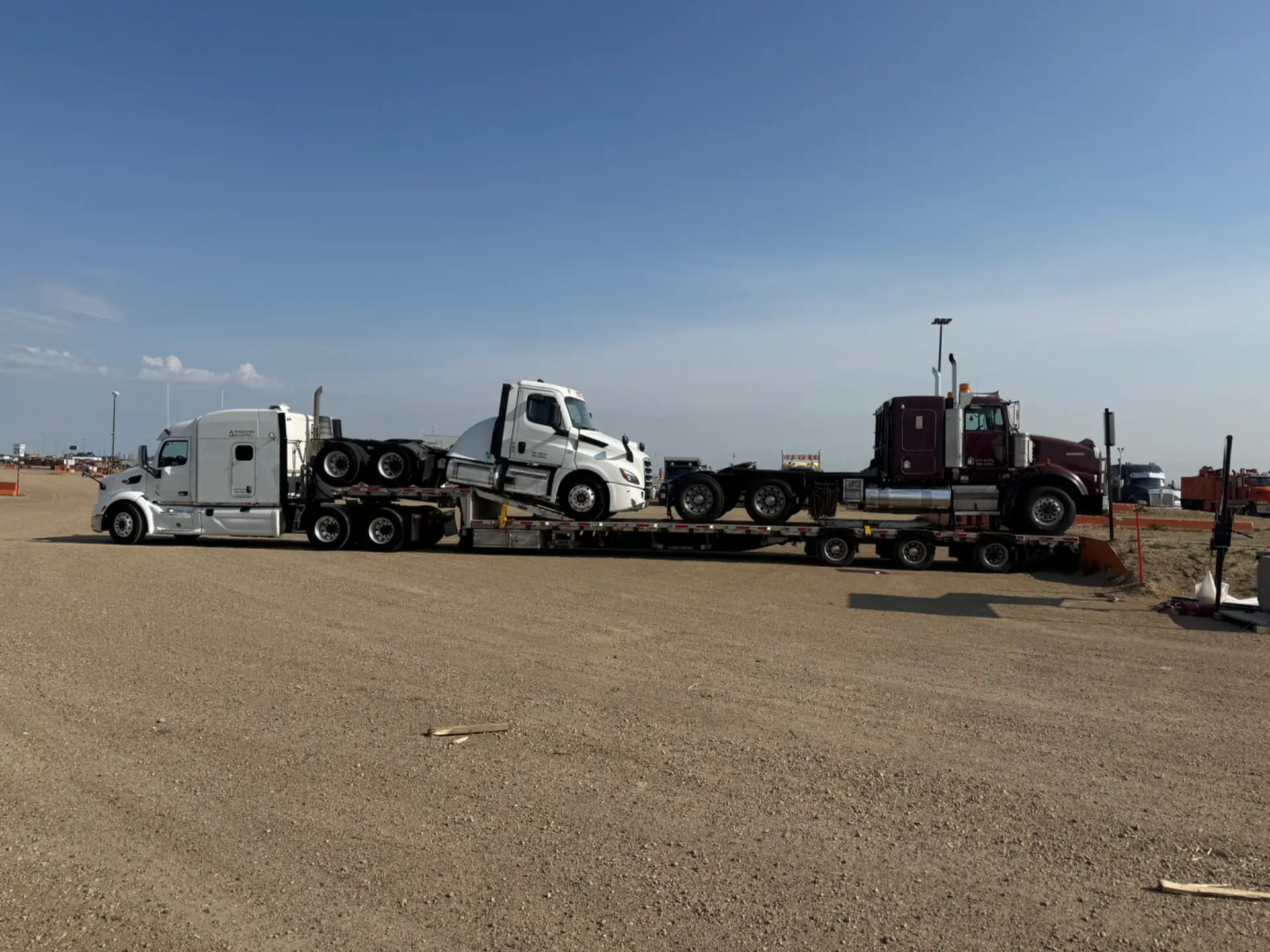
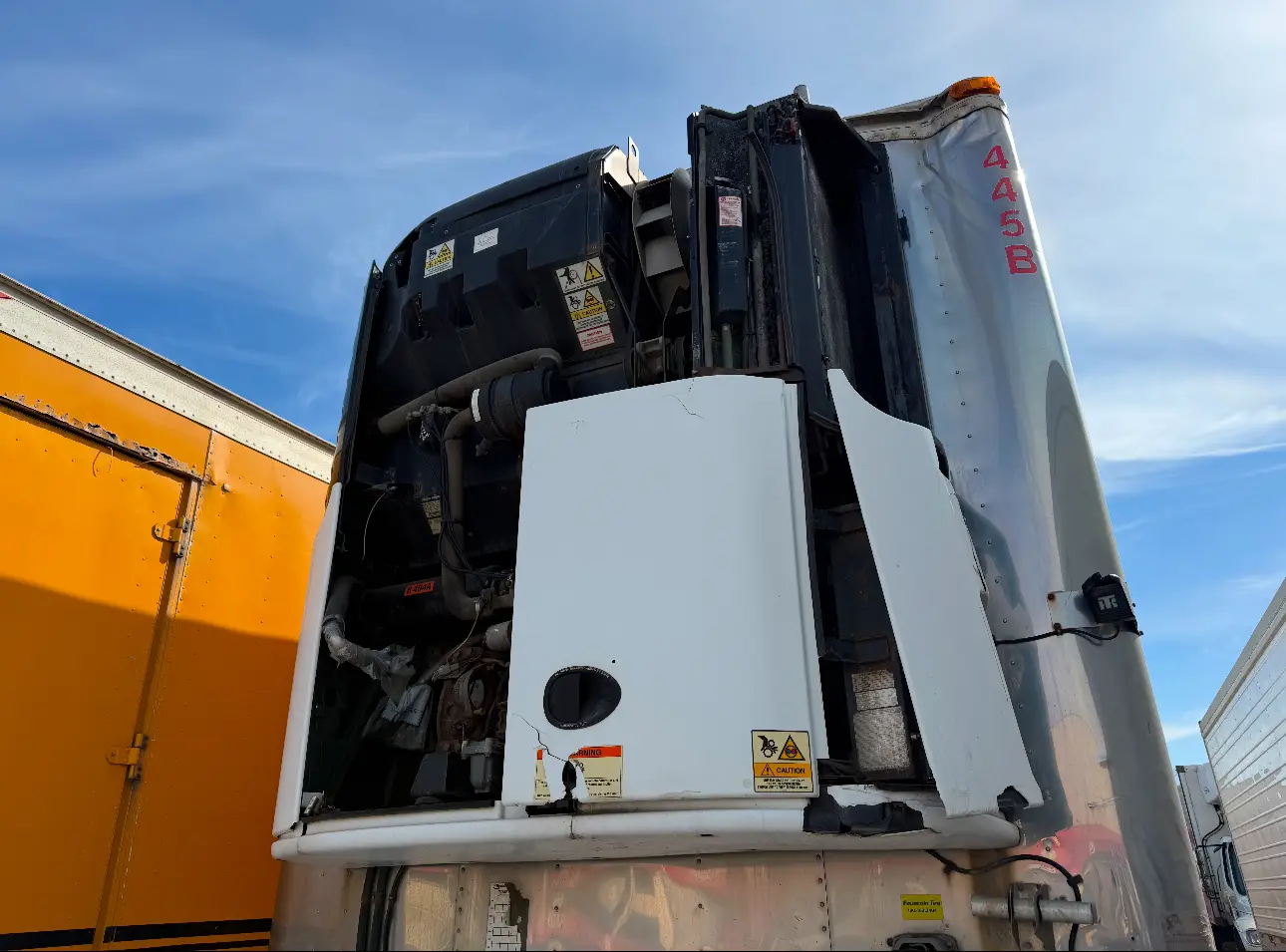
EQUIPMENT REMOVAL EXAMPLES
The kind of machinery removal work we handle for commercial operations.
SERVICE AREA
Heavy equipment removal for commercial, industrial, and farm operations in the Edmonton region.
Extended coverage available for larger equipment removals. Submit your location and we’ll confirm service availability.
EQUIPMENT REMOVAL FAQ
Yes. Most equipment we remove hasn’t operated in years. We have winch capability for machines that don’t roll, and can arrange rigging for units in difficult positions. Just describe the condition upfront so we bring the right equipment.
We assess access and positioning during the quoting process. Stuck machines, soft ground, tight yards, or overhead obstructions all factor into planning. Photos of the equipment location help us prepare for extraction challenges.
Depends on the equipment type, weight, and logistics. Clean, heavy steel in accessible locations has value. Units requiring extensive rigging, remote locations, or machines with minimal steel content may be free removal or may require a service fee. We’ll give you a clear answer upfront.
Yes. Multi-unit removals are common for fleet retirements or yard cleanouts. We can stage removal across multiple trips if needed, or coordinate a single mobilization for multiple pieces depending on logistics and your timeline.
We take attachments along with host machines. Buckets, forks, grapples, and other components can be removed as part of the same job. Loose scrap steel in the immediate area can typically be included as well.
Timing depends on equipment type, transport availability, and site logistics. After receiving details, we typically respond within one business day to confirm scope and provide scheduling options. Urgent removals can sometimes be accommodated.
Not necessarily. If site access is arranged and scope is confirmed in advance, removal can proceed without you present. We coordinate logistics ahead of time so there are no questions on pickup day.
REQUEST EQUIPMENT REMOVAL
Provide details about the machinery you need removed. We’ll review, confirm logistics, and schedule pickup around your operation.
This service is built for operations with machinery that needs to leave the site permanently. If you’re dealing with decommissioned equipment, failed machines, or fleet retirement, we can help clear them efficiently and completely.
RELATED SCRAP SERVICES
SCRAP METAL PICKUP
On-site pickup for large metal loads, yard scrap, and mixed ferrous material from commercial operations.
SCRAP TRAILERS
Removal and disposal of end-of-life trailers, flatbeds, and transport equipment from yards and properties.
FARM SCRAP REMOVAL
Agricultural scrap removal for working farms with accumulated equipment, implements, and yard metal.